
Starbase
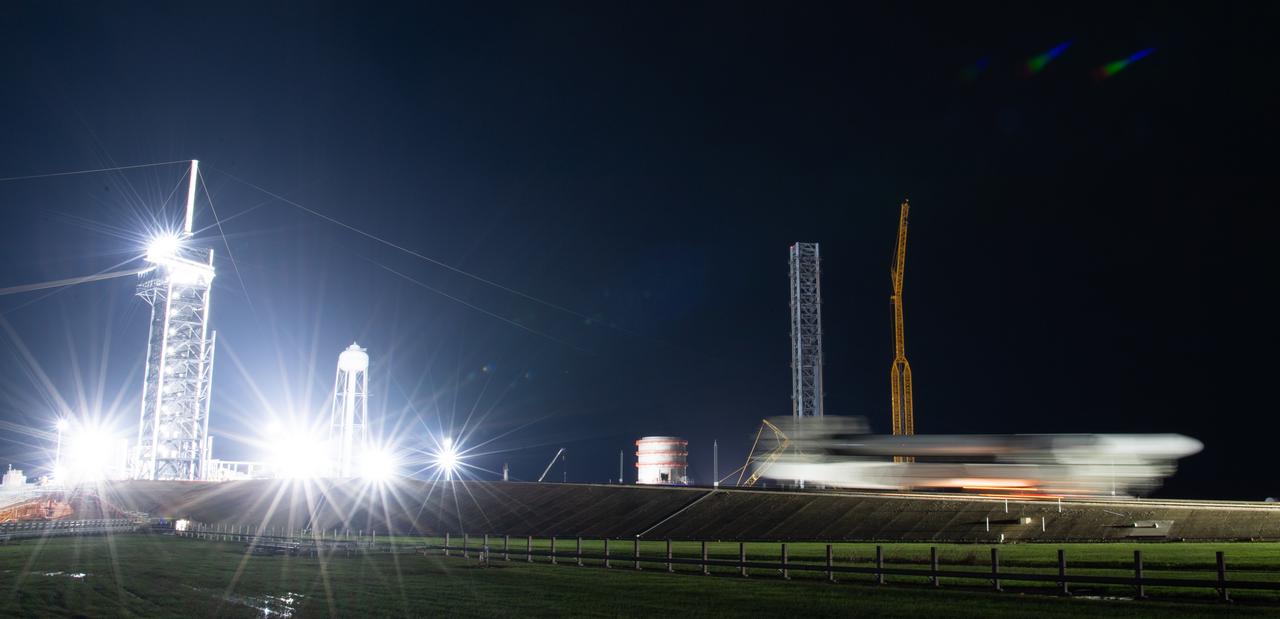
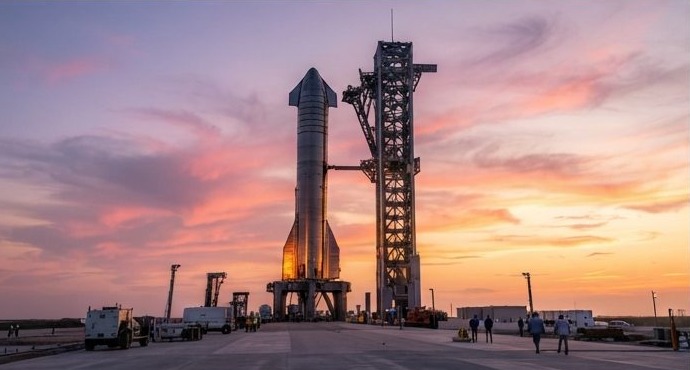
The first purpose-built Starship spaceport — factory, test site and launch complex in one, where the tower's arms are designed to catch returning boosters out of the sky.
Every pad, every window, every destination. Live departures from Earth's launch sites, the ports of the Starship era, city-to-city rocket routes, and the road to the Moon and Mars — in one place.
Upcoming launches worldwide, updated live. Times are UTC and shift often — a spaceport board is never final until the clock hits zero.
Departure data: Launch Library 2 · The Space Devs. Independent, community-maintained.
Every Starship flight on record — hops, integrated tests and operational missions — pulled live from the launch library the moment a new one flies. Newest on the left; scroll the strip for the whole program.

Flight records: Launch Library 2 · The Space Devs.
The working spaceports of the SpaceX fleet today — and the ports being planned for tomorrow. Watch the network breathe: every active pad pings the planet, and the cities light up as the echo reaches them.
The first purpose-built Starship spaceport — factory, test site and launch complex in one, where the tower's arms are designed to catch returning boosters out of the sky.
The most storied pad on Earth: Apollo 11 and the Shuttle left from here, and today it hosts Falcon crew flights — with a Starship tower rising alongside.
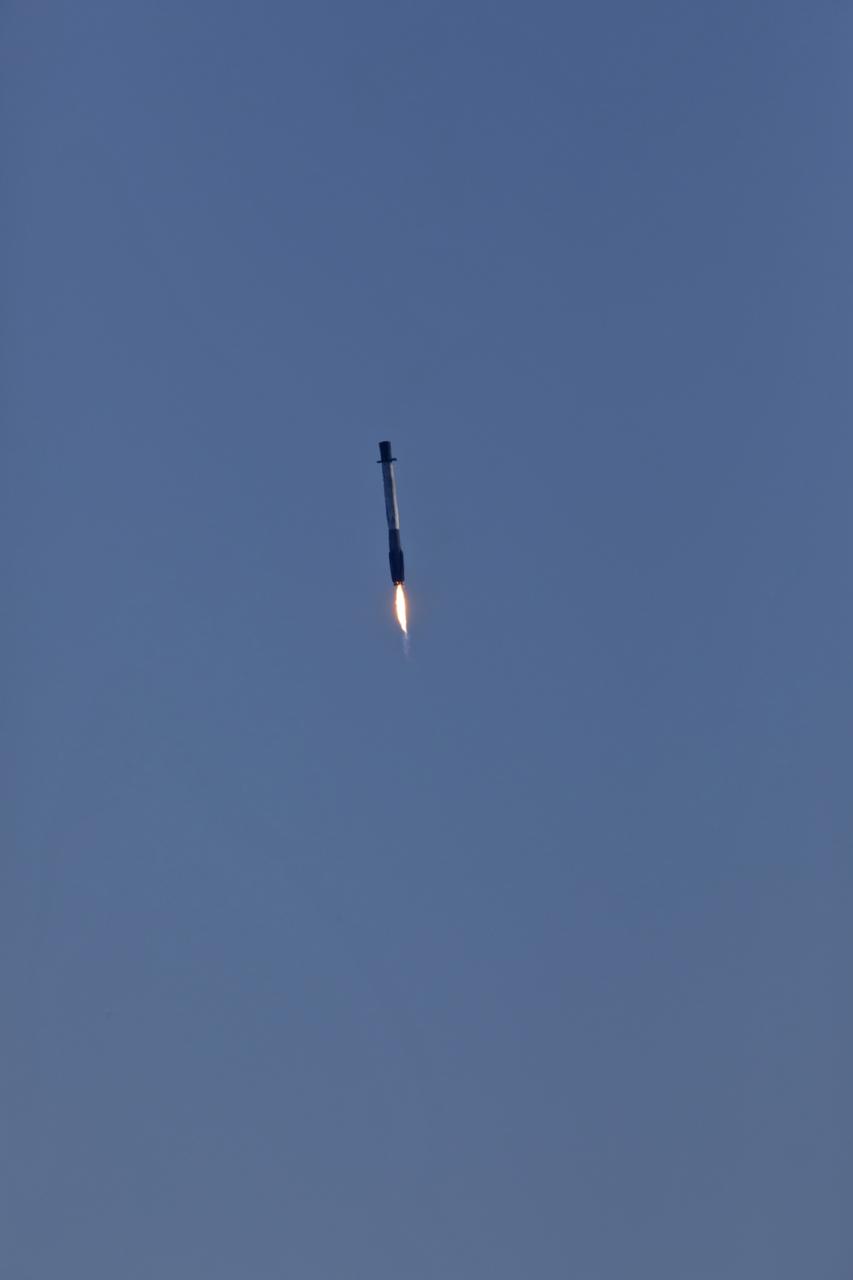
The workhorse. The highest-tempo orbital pad in history, turning Falcon 9 missions around in days — the closest thing yet to airline operations for rockets.
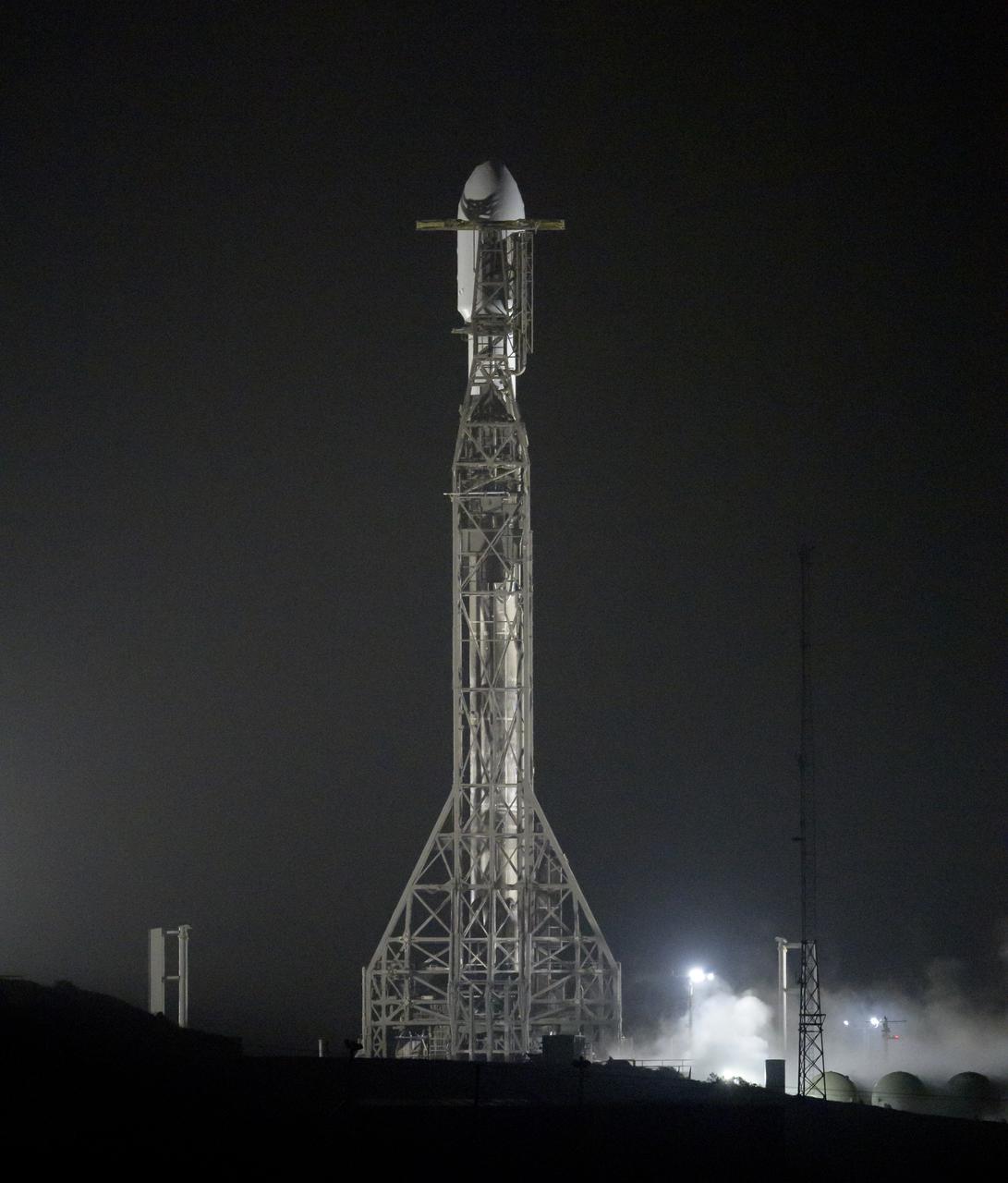
The West Coast gateway. Launches thread south over open Pacific into polar and sun-synchronous orbits — the routes that map, watch and connect the whole planet.
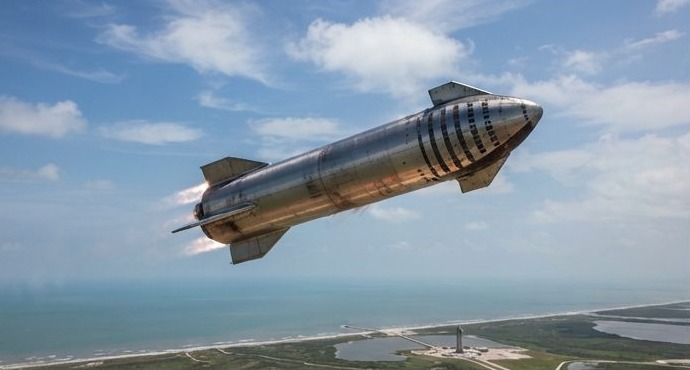
Starship's future is more pads, not just bigger ones: a second tower and Gigabay at Starbase, Starship pads on the Cape, and studied concepts for sea-based platforms parked off major cities — the departure lounges of Earth-to-Earth travel. Every one of them will be tracked here as it breaks ground.
The most radical spaceport idea isn't about leaving Earth at all: Starship flying city to city on suborbital arcs, most of the trip spent coasting above the atmosphere. Concept flight times below are from SpaceX's 2017 Earth-to-Earth study. The globe below is live — it draws the real day/night line for this exact moment from the Sun's position, while Starships fly every route: boost, coast above the atmosphere, belly-first entry, flip and landing burn. Drag to spin it; hover a route to fly it.

Where the departure board points next. Three destinations, three very different trips — each one flown live below.

Eight and a half minutes to weightlessness. Crew Dragon already flies private missions; commercial stations are next in line to replace the ISS.
Three days out. A Starship variant is NASA's Artemis lander, built to set the next crew — the first in over fifty years — onto the lunar surface.
The reason Starship exists. The planets align for a crossing roughly every 26 months — uncrewed cargo ships go first, people follow.
Space-travel headlines from across the industry press, pulled live. Tune the band; every story links out to its source.
Headlines: Spaceflight News API · stories © their publishers.
One ticker now holds the departure network. SpaceX folded xAI in, then went public in the biggest IPO on record — launch, Starlink and Grok all trade together. What's inside, and where to watch it.
The whole stack in one listing since June 2026 — Space Exploration Technologies Corp., spanning launch, connectivity and AI.
No separate ticker — the constellation is SpaceX's connectivity segment and its biggest revenue engine, from home broadband to direct-to-cell.
Merged into SpaceX ahead of the IPO in a deal reported at $250B for xAI — bringing Grok and the Colossus clusters onto the same balance sheet as the rockets.
Figures as reported by press, Aug 2026 — markets move fast; use the live quote for now-numbers. This is information, not investment advice. Sources: CNBC, Reuters/Bloomberg, Nasdaq.
Launches, landings, catches and flight tests — streamed straight from the official channels, always the latest uploads.
Pulled live from the NASA Image and Video Library — public-domain photography of the machines, the pads and the planet they leave behind. Pick a frequency.
Imagery: NASA Image and Video Library · public domain.
Occasional dispatches when a new port breaks ground, a window opens, or the board changes in a big way. No noise — step off anytime.
Occasional emails only, unsubscribe anytime. Your address is used only to send these dispatches — never sold or shared.